
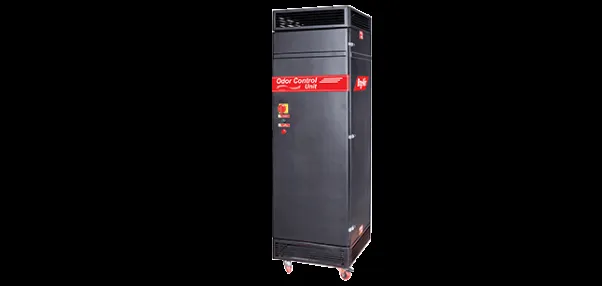
Maintaining clean air has become a major priority for industries that generate odors during manufacturing, wastewater treatment, food processing, chemical production, and waste management. Uncontrolled odors can affect employee comfort, surrounding communities, and compliance with environmental regulations. Modern industrial facilities require engineered air treatment solutions that remove odor causing compounds rather than simply masking them. Advanced odour control units provide an effective way to manage airborne contaminants through specialized filtration and adsorption technologies. Bry-Air has extensive expertise in industrial air purification, environmental control, and moisture management systems that help businesses improve indoor and outdoor air quality. Understanding how odour control technology works can help organizations select reliable solutions that support efficient operations while maintaining environmental responsibility.
What Are Odour Control Units?
Odour control units are engineered air treatment systems designed to capture and remove odor causing gases released during industrial processes. These systems are installed where contaminated air is generated and treat the air before it is discharged into the environment.
Unlike products that simply cover unpleasant smells, odour control units target the compounds responsible for creating odors. Depending on the application, the systems may use activated carbon, chemical filtration, adsorption media, or other specialized treatment technologies.
Bry-Air designs industrial air purification systems that focus on efficient contaminant removal while maintaining dependable long term performance across demanding industrial environments.
Engineered Air Treatment Improves Air Quality
Specialized filtration technologies remove odor causing compounds before clean air is released from industrial facilities.
Why Is Industrial Odour Control Becoming More Important?
Industrial growth and increasing environmental awareness have placed greater emphasis on maintaining cleaner air around manufacturing and processing facilities. Businesses are expected to reduce airborne emissions while protecting employees and neighboring communities from unpleasant odors.
Many industries operate under environmental guidelines that require effective odor management systems as part of responsible facility operation. Investing in advanced odor control technology helps organizations meet these expectations while supporting sustainable manufacturing practices.
Proper odor management also improves workplace conditions by reducing exposure to unpleasant airborne contaminants generated during production activities.
As industrial operations become more complex, reliable air treatment systems continue to play an increasingly important role in environmental management.
Clean Air Supports Responsible Operations
Effective odor control contributes to healthier workplaces and improved environmental performance.
How Do Odour Control Systems Remove Airborne Contaminants?
Modern odour control systems work by drawing contaminated air through carefully engineered filtration media that captures odor causing molecules before treated air is released.
Different industries produce different airborne contaminants, including sulfur compounds, ammonia, volatile organic compounds, and chemical vapors. The filtration technology is selected according to the characteristics of the contaminants generated within the facility.
Optimized airflow ensures that contaminated air remains in contact with the treatment media long enough for efficient adsorption and purification. This engineering approach allows industrial odor control systems to achieve reliable performance across a wide range of applications.
The combination of advanced filtration technology and properly designed airflow enables consistent removal of unwanted airborne contaminants.
Advanced Filtration Delivers Reliable Performance
Properly engineered air treatment systems improve purification efficiency through optimized airflow and specialized filtration.
Which Industries Commonly Use Odour Control Technology?
Many industrial sectors depend on effective odor management to maintain operational efficiency and environmental compliance.
Wastewater treatment facilities use odor control systems to reduce sulfur based gases generated during biological treatment processes. Food processing plants control odors associated with cooking, drying, and ingredient handling. Chemical manufacturing facilities often manage volatile compounds released during production.
Other industries benefiting from industrial odor control include pharmaceutical manufacturing, composting operations, rendering facilities, recycling centers, solid waste management, and industrial processing plants.
The flexibility of modern odor control systems allows them to address a broad variety of industrial air treatment requirements.
Versatile Solutions Serve Multiple Industries
Industrial odor control technology supports air quality improvement across numerous manufacturing and processing environments.
Why Does System Design Matter?
Every industrial application has unique airflow requirements, contaminant concentrations, and environmental conditions. Selecting a properly engineered system is essential for achieving effective long term odor control.
Customized system design ensures that airflow rates, filtration media, and treatment capacity match the facility’s operational requirements. Proper engineering also improves energy efficiency by preventing oversized or undersized equipment from reducing overall system performance.
Experienced manufacturers evaluate each application carefully before recommending a suitable solution. This approach helps maximize purification efficiency while supporting reliable long term operation.
Well designed odor control systems provide dependable performance while minimizing maintenance and operational challenges.
Customized Engineering Maximizes Efficiency
Tailored solutions deliver better air purification by matching equipment design to specific industrial applications.
What Should Businesses Consider Before Choosing an Odour Control System?
Selecting an industrial odor management solution requires careful evaluation of several technical and operational factors.
Businesses should consider airflow volume, contaminant characteristics, filtration technology, equipment durability, maintenance requirements, and overall energy efficiency before making an investment.
Manufacturer expertise is equally important because experienced engineering teams understand how different contaminants respond to various treatment technologies. Reliable technical support also contributes to successful long term system performance.
Choosing equipment based on operational requirements rather than initial cost alone often results in better long term value and improved air treatment effectiveness.
Careful Evaluation Leads to Better Results
Understanding technical requirements helps organizations select dependable odor management solutions.
Why Choose Bry-Air for Industrial Air Purification?
Bry-Air has earned a strong reputation for developing advanced industrial air treatment, environmental control, and moisture management technologies for customers around the world. The company’s engineering expertise allows it to deliver customized solutions designed for complex industrial environments.
Bry-Air’s odor control systems combine proven filtration technologies with optimized airflow engineering to support efficient contaminant removal across diverse industries. The company also emphasizes quality manufacturing, technical innovation, and application specific engineering support.
Working with an experienced manufacturer helps businesses implement reliable air treatment systems that support operational efficiency, environmental responsibility, and long term equipment performance.
Engineering Expertise Supports Long Term Success
Reliable manufacturers combine technical knowledge with advanced engineering to deliver dependable industrial air purification solutions.
Conclusion
Odour control units have become an essential part of modern industrial air quality management by helping businesses remove odor causing contaminants before they affect employees, nearby communities, or the environment. Through advanced filtration technologies, engineered airflow, and application specific system design, modern odour control systems provide dependable performance across wastewater treatment, food processing, chemical manufacturing, pharmaceuticals, waste management, and many other industries. Investing in a well engineered solution from an experienced manufacturer such as Bry-Air helps organizations improve operational efficiency while supporting environmental compliance and sustainable industrial practices.
To learn more about Bry-Air’s industrial odour control solutions and discuss the right air treatment system for your facility, visit the Contact Us page and connect with the Bry-Air team.
