
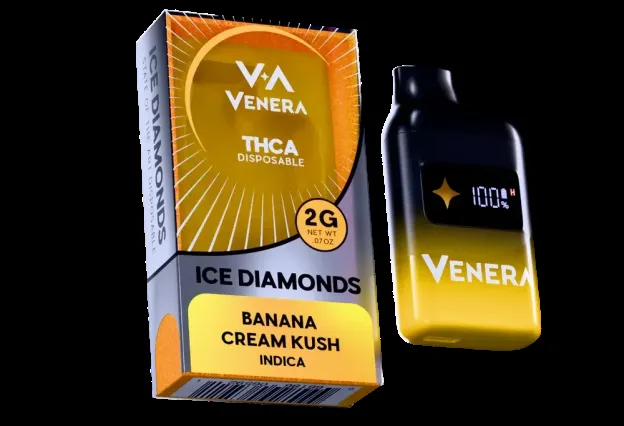
Vapes are the easiest category to get wrong without realizing it. There’s no smell to warn you off, no visible flower to inspect, just a sealed cartridge or disposable that either works or doesn’t. By the time you find out the oil was thin, cut with something cheap, or the hardware clogs after twenty pulls, you’ve already paid for it.
Most of what separates a good vape from a bad one is checkable before you buy, not after. If you’re browsing thca vapes online, here’s what’s actually worth looking at on the product page instead of just picking whatever flavor sounds good.
What’s In the Oil Matters More Than the Percentage
The THCA or total THC percentage gets top billing on every listing, but it’s not the number that tells you the most about quality. What matters just as much is what else is in the cartridge alongside the cannabinoid extract.
Cheaper vape oil often gets cut with thinning agents like PG, PEG, or MCT oil to make it flow easier through the hardware. Some of these are fine in small amounts, others have raised real health concerns when heated and inhaled repeatedly. A quality listing will specify whether the oil is cut with anything at all, or whether it’s a live resin or distillate product with nothing added beyond terpenes.
If a product page just lists a percentage and nothing else about composition, that’s a gap worth noticing. The good brands treat this as a selling point, not something to leave out.
Live Resin, Distillate, and Why the Difference Actually Matters
These two terms get thrown around a lot, and they’re not interchangeable even though some listings treat them that way. Distillate is refined down to a clean, mostly single-compound oil. It’s consistent and often cheaper to produce, but it loses a lot of the plant’s original terpene profile in the process, which is why distillate vapes often taste flatter or get their flavor added back in artificially. Live resin is extracted from fresh frozen flower, preserving more of the original terpenes and giving a fuller, closer to flower flavor and effect.
Neither one is universally better. Distillate has its place for people who want something straightforward and potent. Live resin tends to appeal more to people chasing flavor and a more rounded effect. What matters is that the listing tells you which one you’re buying, since the price difference between them should reflect that, not just be a random markup.
Hardware Quality Is Not a Minor Detail
The oil gets all the attention, but the hardware is half the product. A cartridge or disposable with a poorly made coil clogs fast, burns the oil unevenly, and can leave a harsh, off taste well before the oil is actually gone.
A few practical things to look for: whether the device uses ceramic coil technology, which tends to heat more evenly than cheaper metal coils, and whether the listing mentions battery capacity for rechargeable options. Disposable vapes that die with visible oil still left inside are a common complaint, and it usually comes down to a battery that wasn’t sized to actually get through the full cartridge.
Reviews are often more honest about hardware issues than the listing itself, since clogging and leaking are the kind of problems people mention specifically when they’ve had them. It’s worth a quick scroll before checkout, especially on anything from a brand you haven’t tried. Comparing a few listings side by side, the way you would with any best online thca product, usually makes hardware differences pretty obvious.
Lab Testing for Vapes Needs to Cover More Than Potency
Vape products need broader testing than flower does, because heating oil introduces its own set of possible contaminants. A complete report should confirm cannabinoid content, but also test for heavy metals, since certain hardware components can leach metal into the oil over time, along with pesticide residue and residual solvents left over from the extraction process.
Residual solvent testing matters specifically for vapes in a way it doesn’t always for flower. If a manufacturer used butane, propane, or another solvent during extraction and didn’t purge it properly, trace amounts can end up in the final product and get vaporized directly into your lungs. This is one of the categories where skipping full panel testing is a real red flag, not just a minor omission.
Match the batch number on the report to what’s printed on your actual cartridge or disposable. Vape batches get sold over long stretches of time, and an old report attached to current inventory tells you nothing reliable about what you’re actually inhaling.
Flavor Claims Versus Actual Ingredients
A vape advertised with a specific strain flavor doesn’t always mean the terpenes in it came from that strain. Plenty of products use botanically derived or even artificial terpenes to recreate a flavor profile, which isn’t inherently a problem, but it’s different from terpenes preserved from the actual plant during extraction.
If flavor authenticity matters to you, check whether the listing specifies strain-specific terpenes or just says “flavored.” It’s a small phrase, but it tells you whether you’re getting something closer to the real plant or a flavor built to approximate it. If a listing is vague about this and you want a straight answer, Connect With Us before ordering rather than guessing based on the product name alone.
What to Actually Check Before You Buy
Before adding a vape to your cart, look at what’s in the oil beyond the percentage, whether it’s live resin or distillate, what the hardware is made of and how the battery is rated, whether testing covers heavy metals and residual solvents, and whether the batch number on the report matches what you’re actually getting. None of this takes long once you know where to look, and it’s the difference between a vape that performs the way it’s supposed to and one that disappoints by the third pull.
