
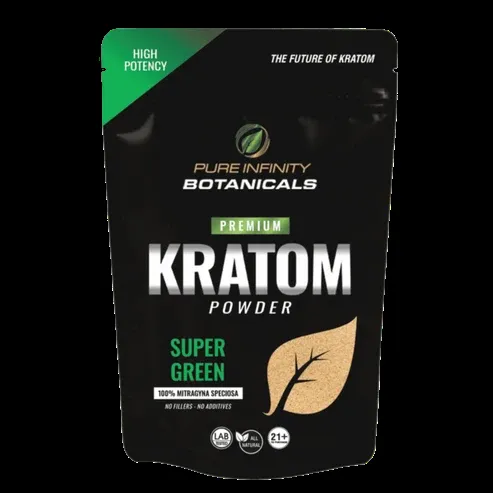
Powdered botanical products occupy an unusual place between raw plant material and finished consumer products. They can be easier to portion and incorporate into different formulations, but they also require more attention to consistency, storage, labeling, and responsible handling. Interest in powder solutions kratom reflects a broader curiosity about botanical powders and how they differ from capsules, extracts, beverages, and other prepared formats.
Kratom comes from the leaves of Mitragyna speciosa, a tree native to Southeast Asia. Products made from its leaves can vary considerably depending on the plant material, processing methods, formulation, and intended use. Understanding those differences gives consumers and businesses a more realistic picture of what a powdered product actually represents.
Powder Is a Format, Not a Guarantee of Quality
The word “powder” describes physical form rather than quality. A powdered botanical can differ in appearance, particle size, moisture content, plant material, and processing history.
Two products may look similar while having different specifications. That is why appearance alone provides limited information.
For consumers and product developers, useful details can include:
● Botanical name and plant material used
● Processing method
● Batch identification
● Ingredient information
● Storage recommendations
● Manufacturer details
● Available testing documentation
● Appropriate warnings and usage information
Clear information helps distinguish a product’s actual characteristics from broad marketing descriptions.
From Leaf to Powder
Kratom powder is generally produced by processing dried leaves into a finer material. The steps between harvesting and final packaging can influence the characteristics of the finished powder.
Drying conditions, milling, handling, and storage all matter. Moisture exposure can affect botanical materials, while poor handling can introduce contamination risks.
Processing also needs to be consistent enough for the finished material to meet its stated specifications. For businesses working with botanical ingredients, documented procedures can make it easier to compare batches and maintain internal quality standards.
The finished powder should therefore be considered the result of a chain of processes rather than simply a ground plant leaf.
Why Botanical Identity Matters
Botanical naming can help prevent confusion between related plants and plant materials. Kratom is commonly identified by its scientific name, Mitragyna speciosa, but commercial descriptions can use various terms to describe products.
Consumers should pay attention to the actual ingredient statement rather than relying solely on product names or promotional terminology.
A clear product description should make it possible to identify what is being sold. Ambiguous labeling makes it harder to understand the material and compare it with other products.
For businesses, accurate botanical identification can also support inventory records, formulation documentation, and quality-control procedures.
Processing Can Change the Practical Characteristics
A powdered botanical is influenced by more than its source plant. Grinding and processing can affect texture, handling, and how easily the powder mixes with other materials.
Particle size may influence how a powder behaves during manufacturing. Finer material may disperse differently from coarser material, while moisture can affect flow and storage.
This matters particularly for businesses using botanical powders as ingredients. A material that performs differently from a previous batch can create difficulties in production even when the ingredient name remains unchanged.
Maintaining written specifications gives purchasing and production teams a reference point for evaluating incoming material.
Pure Infinity Botanicals and Product Information
Pure Infinity Botanicals can be considered alongside other botanical suppliers by reviewing the specific product information, ingredient details, available documentation, and handling guidance associated with each product.
A brand name by itself does not provide enough information to evaluate a particular botanical powder. The individual formulation and supporting information should remain the focus of the assessment.
This approach is useful for consumers as well as businesses. It encourages people to examine what they are actually purchasing rather than assuming that all products within the same category have identical characteristics.
Storage Deserves More Attention
Powdered plant material can be vulnerable to environmental conditions. Moisture, excessive heat, direct light, and poor container closure may affect the condition of stored botanical materials.
Storage instructions should come from the product manufacturer because requirements can vary between formulations.
Basic storage practices may include:
● Keeping containers properly closed
● Protecting the material from moisture
● Avoiding excessive heat
● Storing products away from direct sunlight
● Maintaining clear batch or lot identification
● Keeping botanical products away from contaminants
● Following the manufacturer’s recommended storage conditions
Good storage practices become even more relevant for businesses maintaining multiple batches. Clear inventory rotation can help prevent older material from being forgotten in storage.
Testing Provides Useful Information
Testing cannot answer every question about a botanical product, but appropriate laboratory analysis can provide useful information about its composition and quality characteristics.
Depending on the product and applicable requirements, testing may address contaminants, microbial content, heavy metals, identity, or other specifications.
Consumers should be cautious about treating a single laboratory document as proof that a product is suitable for every person or purpose. Testing addresses specific characteristics; it does not eliminate individual health considerations.
Businesses may also have their own quality requirements based on how an ingredient will be handled or incorporated into another product.
Responsible Use Requires More Than a Label
Kratom is pharmacologically active and should not be treated like an ordinary food ingredient. Its effects can vary, and research continues to examine its potential risks and effects.
People taking medications, living with health conditions, or considering kratom for a specific health concern should speak with a qualified healthcare professional before use. Combining kratom with other substances can also introduce risks, particularly when the substances have overlapping effects.
Claims that a kratom product can treat, cure, or prevent medical conditions should be viewed cautiously. A supplement label or customer testimonial is not a substitute for clinical evidence or professional medical advice.
Regulatory requirements can also differ by jurisdiction, so businesses selling or distributing kratom products should verify the rules applicable to their location and intended market.
Powdered Products Require Clear Expectations
A powder format can offer flexibility, but flexibility also means the buyer needs to understand the material being handled. The same product should not automatically be assumed to behave like a capsule, beverage, or standardized extract.
For businesses, this may involve creating specifications for incoming material, documenting storage conditions, and keeping batch records. For individual consumers, it can mean reading the complete label and understanding the manufacturer’s directions before making a decision.
The more clearly a product is described, the easier it becomes to distinguish factual information from marketing language.
A More Practical View of Botanical Powders
Powdered botanicals sit at an interesting point in the supply chain. They retain more of the characteristics of processed plant material than many ready-made consumer formats, yet they still depend heavily on sourcing, processing, testing, packaging, and storage.
That makes informed evaluation more useful than assumptions based solely on appearance or product category. Buyers can examine the botanical identity, available documentation, storage requirements, and applicable safety information before deciding whether a particular product fits their needs.
For businesses or consumers who want to learn more about botanical powder products, contact us today to discuss available information and explore options with a clearer understanding of the material, its handling requirements, and responsible use considerations.
