
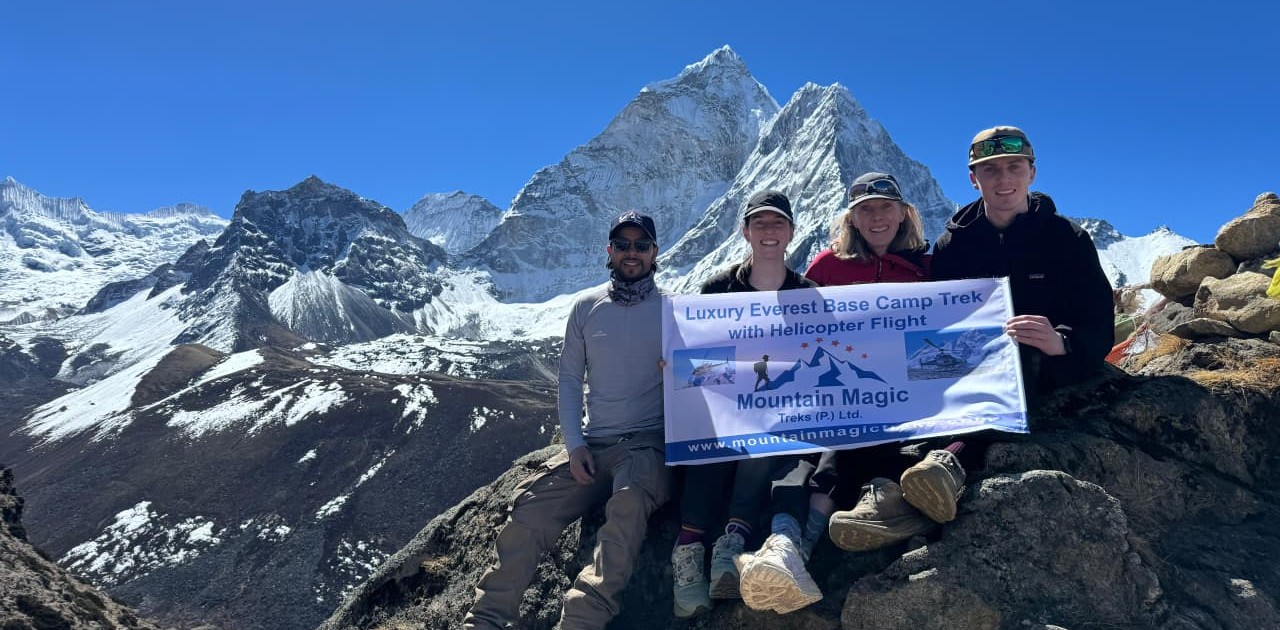
The Everest region can look intimidating when you first start planning a trip there. Huge mountains, high passes, long walking days, and changing weather may make you wonder if you are ready for it.
The good news is that you do not need to be an expert mountaineer to enjoy the Everest region. With the right plan, a steady pace, and proper preparation, first-time trekkers can take on this adventure.
The Everest Base Camp Trek with helicopter return is an interesting choice for travelers who want to experience the famous trail but would rather save time on the return journey. You trek through the Khumbu Valley, reach Everest Base Camp, explore the high mountain area, and then return by helicopter.
It combines a classic Himalayan trekking experience with a faster way home.
Start With the Right Expectations
Before booking an Everest trek, understand one simple thing: this is still a serious high-altitude adventure.
The helicopter does not remove the difficult part of the journey. You still have to walk for several days, climb thousands of meters in altitude, and deal with cold weather and thin air.
What the helicopter changes is the final part of the trip.
Instead of walking back down the entire route, you can fly from the high mountain region toward Kathmandu, depending on weather and flight conditions.
Walking Is the Main Part of the Adventure
The trail is filled with moments that you cannot experience from a helicopter.
You will walk through small mountain settlements, cross suspension bridges, pass Buddhist prayer flags, and see locals moving around the valley.
Tea houses along the route also give trekkers a chance to rest, eat, and meet other travelers.
These simple moments often become some of the strongest memories of the trip.
Your Body Needs Time to Adjust
Altitude is one of the biggest challenges on the Everest trail.
As you climb higher, there is less oxygen in the air. Your body needs time to adapt. This is why a good itinerary should not simply push you upward every day.
The Everest Base Camp Trek with helicopter return includes acclimatization stops during the journey, including time around Namche Bazaar and Dingboche.
These days are not meant to be completely inactive.
Use Acclimatization Days Wisely
At Namche, you can take a short hike around the area and return to the town afterward.
Dingboche offers another important break before the trail moves toward Lobuche and Gorakshep.
You may feel fine at a lower elevation and then notice a big difference as you climb higher. Headaches, tiredness, poor sleep, or loss of appetite can happen at altitude.
Do not ignore unusual symptoms.
Tell your guide if you feel unwell and follow their advice.
The Trail Changes as You Climb
One reason the Everest trek remains popular is the changing landscape.
The lower part of the route has green hills, forests, rivers, and small villages. As you move higher, trees become less common and the surroundings become more rugged.
Eventually, the trail enters a world of rocks, ice, glaciers, and giant Himalayan peaks.
You can feel the difference with every day’s walk.
Namche Is More Than a Rest Stop
Namche Bazaar is one of the most important towns in the Khumbu region.
It is built into a mountain slope and has shops, cafes, bakeries, lodges, and trekking stores.
For first-time visitors, Namche can also be the first place where the reality of high-altitude trekking really becomes clear.
Take your time here. Enjoy the mountain views and let your body adjust.
Enjoy the Sherpa Culture Along the Way
An Everest trek is not only about reaching a famous mountain location.
The journey also gives you an introduction to Sherpa culture and Himalayan life.
You may pass monasteries, mani stones, prayer wheels, and colorful prayer flags along the trail.
Tengboche is another major cultural stop. Its monastery and mountain setting make it a special place to visit.
Respect local customs and avoid treating villages as simply photo stops.
A friendly greeting, patience, and respect go a long way.
The Final Days Are Different
As you approach Gorakshep, the environment becomes much more extreme.
The air is thinner, temperatures are lower, and the trail can feel harder even when the daily distance is not very long.
From Gorakshep, trekkers make their way toward Everest Base Camp.
This section is rocky and can be tiring.
Reaching the Base Camp
Everest Base Camp is the point many travelers have been thinking about since the beginning of the journey.
The trail near the Khumbu Glacier creates an impressive setting, with huge mountains rising around you.
Take some time to enjoy the moment rather than rushing through it.
Photos are great, but the feeling of standing there after days of walking is something you cannot fully capture with a camera.
Add Kala Patthar to the Experience
Kala Patthar is another major highlight.
At about 5,545 meters, it is higher than Everest Base Camp itself. The viewpoint is famous for its close views of Mount Everest and surrounding peaks.
The hike is challenging because of the altitude.
Walk slowly. Take breaks when needed.
The early morning climb can be especially rewarding when the first sunlight reaches the Himalayan peaks.
Why the Helicopter Return Makes Sense
After several days of trekking, walking the entire route back may not appeal to everyone.
This is where the Everest Base Camp Trek with helicopter return offers a practical advantage.
The helicopter can save several days of downhill trekking and give you an aerial view of the region.
For people with work commitments or limited vacation days, this can make the Everest experience easier to fit into a busy schedule.
Pack for Function, Not Fashion
You do not need to bring your entire closet to Everest.
Your goal should be to stay warm, dry, comfortable, and prepared for changing conditions.
Useful items include:
-
Warm layers
-
Waterproof outer clothing
-
Comfortable trekking shoes
-
Warm gloves and socks
-
Sunglasses
-
Sunscreen
-
A reusable water bottle
-
Headlamp
-
Personal medicines
-
Basic first-aid supplies
-
A small daypack
Layering is especially useful because temperatures can change during the day.
Choose Your Season Carefully
Weather can affect both trekking and helicopter flights.
Spring and autumn are generally popular choices for the Everest region because conditions are often more favorable.
March to May brings spring weather and colorful vegetation at lower elevations.
September to November is another popular period, often offering good mountain visibility.
Winter brings colder temperatures, while the monsoon season can bring rain and clouds that may affect mountain travel.
Final Thoughts
The Everest Base Camp Trek with helicopter return is not a shortcut to Everest. You still earn the experience through days of walking, high-altitude climbs, and careful acclimatization.
What makes the trip different is the return.
Instead of spending several more days retracing the trail, you can finish your trekking adventure and take a helicopter back, subject to weather and flight conditions.
For first-time trekkers who want the full Everest experience but have limited time, it offers a useful balance between adventure and convenience.
The key is simple: prepare properly, respect the altitude, walk at your own pace, and enjoy the journey instead of thinking only about the finish line.
Frequently Asked Questions
Is this trek suitable for first-time trekkers?
Yes, first-time trekkers can take the journey if they are reasonably fit, properly prepared, and willing to follow a gradual altitude plan.
Do I need mountaineering experience?
No technical mountaineering experience is normally required for the trekking route. However, you should be prepared for long walking days and high altitude.
Is the helicopter return guaranteed?
Helicopter flights depend on weather, visibility, aviation conditions, and operational factors. Travelers should allow some flexibility.
Is Kala Patthar higher than Everest Base Camp?
Yes. Kala Patthar reaches approximately 5,545 meters, making it one of the highest points on the itinerary.
Can I enjoy the trek without being an experienced hiker?
Yes, but you should not underestimate the physical demand. Training before the trip and maintaining a slow, steady pace can make the experience much more manageable.
